• Skip to main content
  • Skip to secondary menu
  • Skip to primary sidebar
Decoder.ca

Decoder.ca

Canadian Tech in 100 Words

 
  • About
  • News
  • Techtalent.ca
  • Dictionary
  • Contact

Jensen Huang Returns to NVIDIA

November 23, 2026 by Newsdesk

NVIDIA has reinstated Jensen Huang as president, CEO, and board director after its board unanimously backed his return following an independent review. The company said directors were satisfied with Huang’s candor and leadership, and received input from senior U.S. government officials indicating his reinstatement posed no national security risk.

CFO Colette Kress, who served as interim CEO, will continue in her finance role. NVIDIA’s investigation into reports that Huang was targeted by a foreign intelligence effort remains ongoing. The board has also created a national security and export control committee and is searching for a new chief compliance officer now.

Want to know more? Check out the source code here.

Report Urges Canada to Close Clean Fuel Gap for Shipping

November 23, 2026 by Newsdesk

International voyages account for about 63% of marine emissions in Canadian waters, yet neither the federal Clean Fuel Regulations nor British Columbia’s Low Carbon Fuel Standard sets specific reduction targets for heavy fuel oil. A new report from Oceans North calls on Ottawa to close that gap.

The authors want Ottawa to end an exemption that lets fuel suppliers exclude gasoline and diesel sold to ships bound for foreign ports when calculating clean fuel obligations. They also urge Ottawa and B.C. to extend carbon intensity standards to the full range of conventional marine fuels, and to let ports earn credits when shore power displaces any conventional marine fuel.

Want to know more? Check out the source code on CleanEnergy.ca.

BMO and IBM Demonstrate Quantum Utility for Finance

November 23, 2026 by Newsdesk

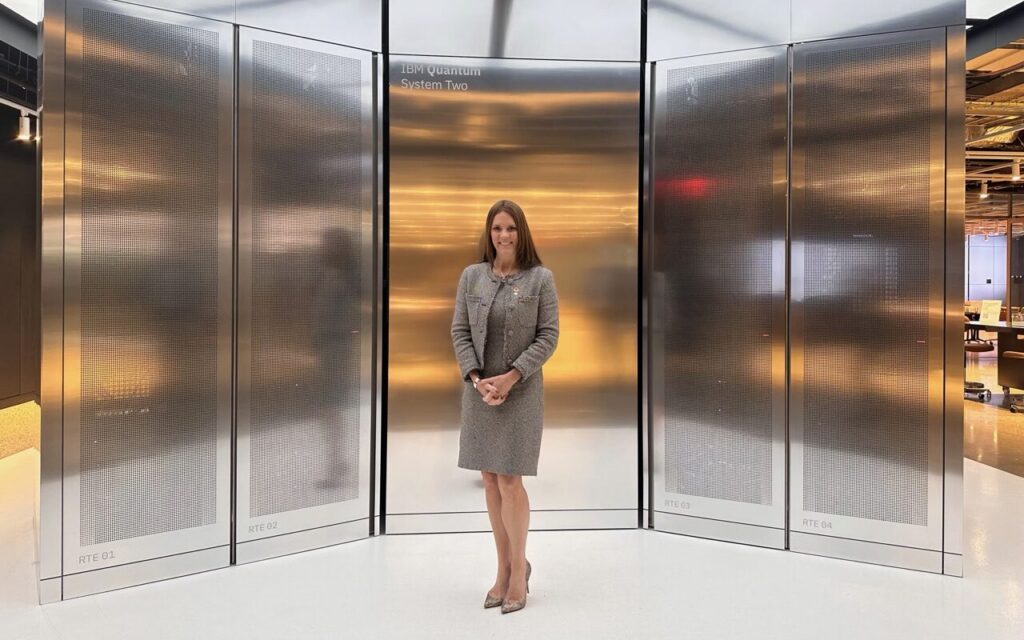
BMO has demonstrated quantum utility in a machine learning application, using IBM quantum computers with Quantum Nighthawk r2 processors. The demo, developed with Democritus University of Thrace and reviewed by IBM’s quantum research team, explores how quantum computing can help AI models identify which information matters most in complex datasets.

The capability could bring more accurate client modelling, improved risk assessment and detection, and more personalized client experiences across banking, according to BMO. The bank joined the IBM Quantum Network in February 2025 and manages assets worth $1.5 trillion. BMO calls demonstrating quantum utility an important milestone for the bank and the broader financial services industry.

Want to know more? Check out the source code on Fintech.ca.

CIBC Launches Anthropic CDR as AI Giant Goes Public

November 23, 2026 by Newsdesk

Anthropic became the first major artificial intelligence company to go public, with an initial public offering larger than SpaceX’s record-setting event in June. In response, CIBC has launched a Canadian Depositary Receipt based on the AI company, trading on the Toronto Stock Exchange under the ticker ANTH.

CDRs let Canadians invest in some of the world’s largest companies in Canadian dollars, with a built-in currency hedge. The Anthropic receipt brings CIBC’s CDR platform to 146 products across six countries, including one for SpaceX. CIBC introduced CDRs five years ago, and the bank says the Anthropic addition reflects its commitment to giving Canadian investors access to influential global companies.

Want to know more? Check out the source code on Fintech.ca.

Ottawa Taps FDX to Set Canada’s Open Banking Standard

November 23, 2026 by Newsdesk

Ottawa has designated the Financial Data Exchange (FDX) to set the technical standard for open banking in Canada, governing how banks and fintechs share financial data when a consumer or small business authorizes it. Canadians could then connect a bank account to an approved budgeting app without handing over their online banking password.

The Department of Finance estimates nine million Canadians currently share financial data through screen scraping. FDX Canada Council will develop and maintain the standard independently of the global FDX board, and only Canadian residents and businesses can vote on it. The Bank of Canada’s consultation on draft accreditation guidelines closes December 8.

Want to know more? Check out the source code on Fintech.ca.

UCalgary Researcher’s AI Predicts Carbon Nanofibre Quality Mid-Run

November 23, 2026 by Newsdesk

University of Calgary researcher Amirhossein Foroughi has built a machine learning system that predicts the quality of carbon nanofibres while a production run is still underway, instead of waiting for post-run lab results. The system tracks reactor conditions in real time and adjusts them automatically, cutting labour and energy for producers.

Foroughi developed the technology with Calgary cleantech startup Carbonova, creating realistic practice data with AI because no public datasets existed for the new manufacturing process. He won a 2026 Mitacs Innovation Award for Outstanding Innovator, one of 10 winners chosen nationally from thousands of nominees. The approach could also apply to other complex chemical manufacturing.

Want to know more? Check out the source code on Calgary.tech.

New Brunswick Sets New Conditions for Data Centre Approvals

November 23, 2026 by Newsdesk

New Brunswick will only approve data centres that benefit electricity customers, protect system reliability and show value for local communities, under a new provincial development policy covering projects already under consideration. ‘We will say no to projects that don’t meet our requirements, and they won’t be allowed to proceed,’ said Jean-Claude D’Amours, minister of post-secondary education and training.

Developers must show financial and technical viability, Canadian data sovereignty and economic benefits such as jobs, training and work for local businesses. The framework also requires meaningful engagement with First Nations and communities, backed by binding agreements, and projects must minimize effects on water, land, emissions and local infrastructure.

Want to know more? Check out the source code on DataCentre.ca.

Monty Brings Weekly Money Lessons to Canadian Families

November 22, 2026 by Newsdesk

What began as a weekly allowance routine with his two sons inspired Cambridge, Ontario dad Mark Sharma to build Monty, an app that helps families talk about spending, saving and giving. The platform helps parents and children divide allowance into Spend, Save and Give jars, track savings goals and revisit purchases during a short weekly check-in.

Monty operates as a digital ledger, with families keeping the actual money in their own accounts or physical jars. ‘The biggest lesson is that every dollar has a purpose before it’s spent,’ Sharma said. His oldest son recently reached his goal of buying a $230 Lego set, helped by birthday money.

Want to know more? Check out the source code on Fintech.ca.

Alberta Data Centre Watch Puts the Province’s Buildout on the Map

November 22, 2026 by Newsdesk

When Sarah Yurchevich struggled to find a clear picture of Alberta’s growing data centre industry, the Lacombe County resident put her web development experience to work. She created Alberta Data Centre Watch, a public website that brings scattered project information into a searchable directory and map.

The site organizes facilities by development status, distinguishing proposed projects from those approved, under construction, operating or inactive. Its listings include information about power supply, cooling and location, while identifying gaps in public disclosures. Its methodology draws a distinction between what developers announce and what official records establish.

Want to know more? Check out the source code on DataCentre.ca.

UCalgary Students Build ConvectAlert to Turn Hail Warnings Into Action

November 22, 2026 by Newsdesk

University of Calgary student Ben Chernesky is building ConvectAlert Analytics to help businesses turn severe weather warnings into practical responses, starting with Calgary’s hailstorms. The city sits within Alberta’s Hail Alley, a region stretching roughly from High River through Calgary and Red Deer toward Edmonton, where knowing a storm is coming is only useful if businesses know how to respond.

Initially targeting car dealerships and rental agencies, the startup is developing action plans tailored to each company’s operations and risk profile. Chernesky says lessons learned from working with one business can inform the approach used at others, with the goal of reducing hail-related costs.

Want to know more? Check out the source code on Calgary.tech.

Next Page »

Primary Sidebar


Stay in Touch

  • LinkedIn
  • RSS
  • Twitter

Copyright © 2026 Incubate Ventures | Calgary.tech · CleanEnergy.ca · Fintech.ca · Legaltech.ca · Techcouver.com · Techtalent.ca · | Privacy