
• Skip to main content
  • Skip to secondary menu
  • Skip to primary sidebar
Decoder.ca

Decoder.ca

Canadian Tech in 100 Words

 
  • About
  • News
  • Techtalent.ca
  • Dictionary
  • Contact

Google Offers 100,000 Canadians AI Training

October 9, 2026 by Newsdesk

Google is expanding free AI training in Canada with up to 100,000 scholarships distributed through YMCA Canada. The initiative covers Google AI Essentials and its AI Professional Certificate, representing a tenfold increase in previously pledged access. Google.org is also providing more than $2.7 million to the Canadian Chamber of Commerce for an AI Adoption Program targeting over 10,000 small and medium-sized businesses. Participants will receive support tailored to their readiness, from understanding AI to implementing it. Announced alongside Google’s 25th anniversary in Canada, the programs aim to help workers and employers translate growing interest in artificial intelligence into practical skills.

Want to know more? Check out the source code on TechTalent.ca.

Semios Founder Turns to Stress Recovery

October 9, 2026 by Newsdesk

Semios founder Michael Gilbert is building BaroShift, a Vancouver startup inspired by his recovery from a serious back injury. Its forearm wearable reads pulse intervals, while an app calibrates breathing exercises to each user’s baroreflex, a feedback loop involved in regulating heart rate and blood pressure.

Eight-minute daily sessions aim to train stress recovery, with scores tracking responses. The device does not measure blood pressure. Gilbert says Semios reached a $1-billion valuation before his departure. BaroShift is available as a general wellness product, with university studies underway to build evidence and discussions about clinical pilots marking its next development phase.

Want to know more? Check out the source code on Techcouver.com.

Google Unveils Universal Gemini Agent

October 8, 2026 by Newsdesk

Google Cloud has introduced Gemini agent, a universal enterprise AI agent designed to handle knowledge work, coding, content creation, research, and business tasks from one interface. Available to Gemini Enterprise customers at no extra charge, the agent can plan work, access company systems, schedule tasks, operate across devices, and coordinate specialized sub-agents.

Gemini agent maintains persistent context and memory while supporting Google Workspace, Microsoft 365, Slack, command-line tools, and third-party applications. Google also added model flexibility, security controls, agent identities, audit trails, smart workload routing, and spending caps, positioning Gemini as an always-available digital coworker for enterprise teams.

Want to know more? Check out the source code here.

VIQ and AXL Crack Speaker Identification

October 8, 2026 by Newsdesk

Ontario-based VIQ Solutions and Canadian venture studio AXL say they have achieved 97 to 99 percent accuracy in identifying speakers in multi-person transcripts, addressing a persistent problem known as diarization.

VIQ says existing speech engines still struggle with short utterances, similar voices, and overlapping speech, which can lead to words being assigned to the wrong person. Because multi-speaker recordings account for roughly 95 percent of VIQ’s speech output, the companies made diarization a priority. The new capability will enter pilot testing before a broader rollout, helping users review drafts faster with fewer speaker corrections and names automatically assigned more reliably.

Want to know more? Check out the source code here.

Canadian Payments Reach $12.9 Trillion

October 6, 2026 by Newsdesk

Canadian retail payments totalled $12.9 trillion across 26.7 billion transactions in 2025, according to Payments Canada. Payment value rose 5.7% from 2024, while 52% of Canadians expressed interest in real-time payments. The findings arrive ahead of the planned fourth-quarter 2026 launch of Canada’s Real-Time Rail, supporting instant, data-rich domestic transfers around the clock.

Payment delays remain a significant challenge for 37% of small and medium-sized businesses. Credit and debit cards accounted for 68% of transaction volume, while electronic funds transfers represented 63% of value. Interest in AI-driven shopping was lower, with only 24% finding agentic commerce appealing, the research found.

Want to know more? Check out the source code on Fintech.ca.

Tydra Turns Food Waste Into Biomaterials

October 5, 2026 by Newsdesk

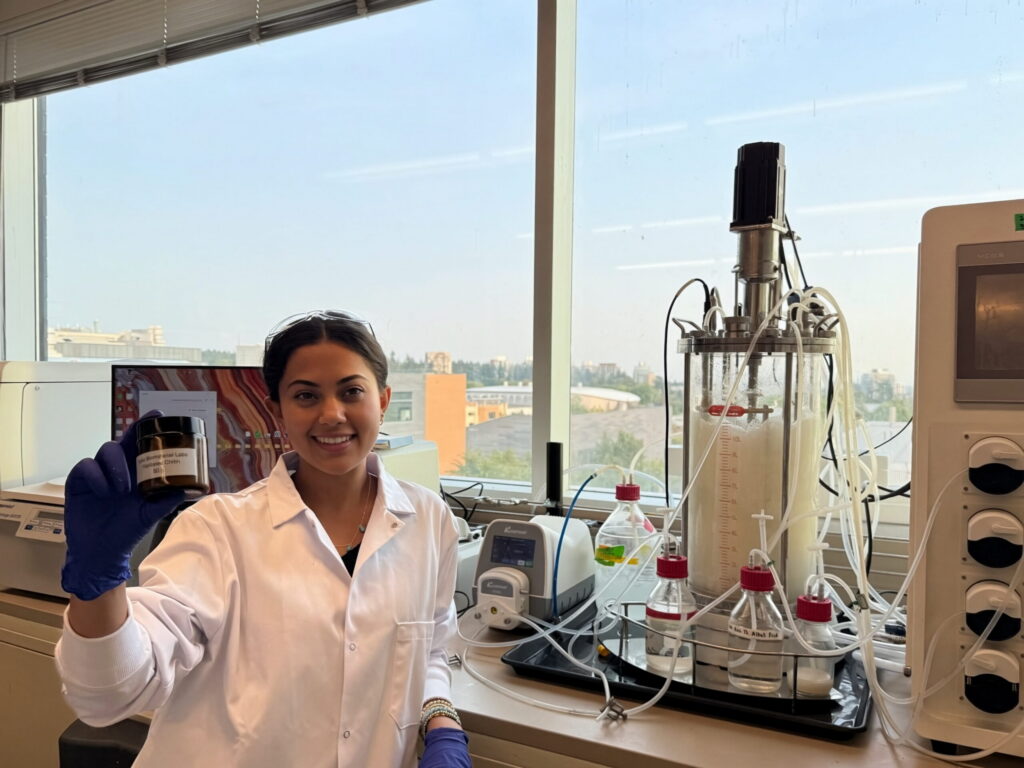
Vancouver’s Tydra Labs is advancing plant-based chitin biomaterials toward pilot manufacturing with $600,000 from NorthX. Its flagship ingredient, TYDRA ONE, is cultivated from food streams and retains a hydrated, fibrous structure that can support thickening, emulsification and other functions. Cosmetics is the startup’s first target market, with potential applications in agriculture, packaging and biomedical products.

Co-founder Jaiya Varshney says commercialization also requires a deliberate intellectual property strategy. Working with Oyen Wiggs, Tydra is balancing patents, trade secrets and brand protection around its core platform. The company previously raised $1.2 million and is building manufacturing capabilities and customer relationships for expansion.

Want to know more? Check out the source code on Techcouver.com.

Spare Takes AI Beyond Transit Operations

October 2, 2026 by Newsdesk

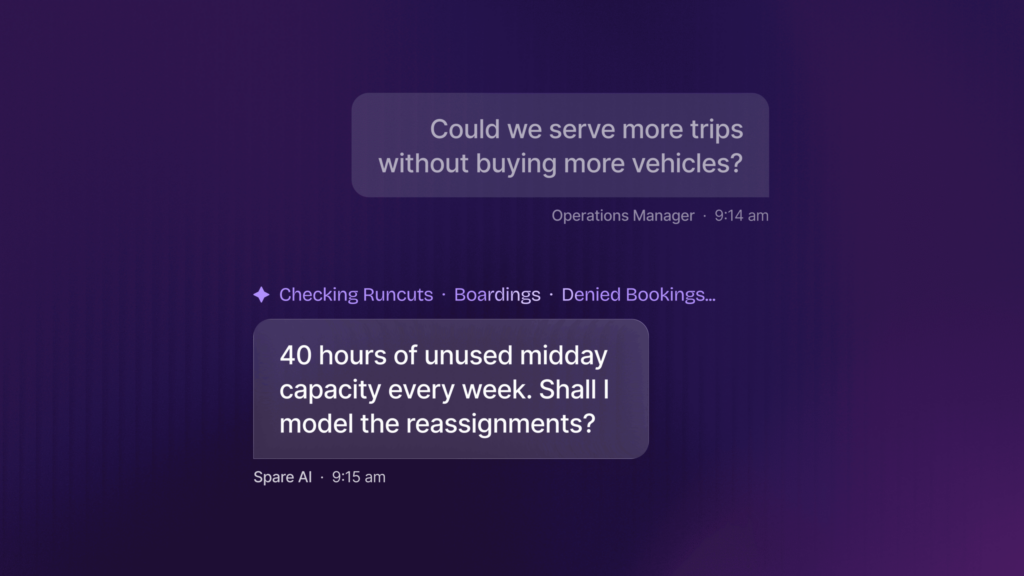
Vancouver’s Spare has launched an expanded AI platform connecting operational data, financial systems, policies, contracts and institutional knowledge across transit agencies. Employees can ask questions in natural language and receive source-backed answers, while agents can analyze information and complete tasks across connected systems. Agencies retain controls over access, automation and human approvals.

The expansion extends Spare’s reach into planning, finance and administration, following deployments involving TransLink and BC Transit. A Founding Agency Program will provide selected participants with early access, implementation support and subsidized AI credits. Vancouver-based Spare previously raised $42 million in Series B financing led by Inovia Capital.

Want to know more? Check out the source code on Techcouver.com.

Canada Rocket Company Builds Launch Capability

October 1, 2026 by Newsdesk

Canada Rocket Company is investing $30 million to build Canada’s first large-scale rocket engine test facility in London, Ontario. Named for astronaut Jeremy Hansen, the 50-acre site at London International Airport will include a 12,000-square-foot office and fabrication building plus up to three vertical and horizontal test stands capable of testing engines above one meganewton of thrust.

CRC expects roughly 40 skilled jobs within 18 months, while its broader reusable medium-lift rocket program could create 1,000 jobs and attract more than $1 billion in investment over a decade. The facility, backed by federal defence funding, is expected online in 2028.

Want to know more? Check out the source code on Techtalent.ca.

Grindr Buys Calgary’s PurposeMed for $250M

September 30, 2026 by Newsdesk

Calgary-based PurposeMed, the company behind HIV-prevention platform Freddie, is being acquired by Grindr for US$250 million. The deal includes US$190 million in cash and US$60 million in stock, with up to US$70 million more tied to 2027 performance targets. Founded in 2019, PurposeMed combines virtual consultations, clinical care, and pharmacy services for underserved communities.

Grindr plans to expand Freddie’s U.S. business and combine it with its Woodwork telehealth offering under Grindr Health. The transaction would give PurposeMed access to Grindr’s roughly 15 million monthly active users, significantly expanding the potential audience for its healthcare services across North America and beyond.

Want to know more? Check out the source code on Calgary.tech.

Bell and Cisco Build Sovereign AI

September 29, 2026 by Newsdesk

Bell Canada and Cisco have signed an agreement to explore sovereign AI infrastructure for Canadian organizations, combining Bell’s domestic data centres and networks with Cisco’s computing, security, and infrastructure management technology. The partnership targets government, regulated industries, and other customers seeking greater control over sensitive AI workloads, supporting both training and inference.

The companies will assess Cisco AI PODs, modular architectures, and commercial models tied to reserved or consumed capacity. The agreement expands Bell’s AI Fabric ecosystem, which already includes partnerships with Cohere, Hypertec, and BUZZ HPC. Deployment locations, capacity commitments, pricing, and launch timing have not yet been announced.

Want to know more? Check out the source code on DataCentre.ca.

Next Page »

Primary Sidebar


Stay in Touch

  • LinkedIn
  • RSS
  • Twitter

Copyright © 2026 Incubate Ventures | Calgary.tech · CleanEnergy.ca · Fintech.ca · Legaltech.ca · Techcouver.com · Techtalent.ca · | Privacy