


Vancouver startup Barry is building an AI operations manager for trades and home service companies, turning scattered business data into practical answers and actions. The platform connects tools such as Jobber, QuickBooks, email, texts, and field updates so owners can ask questions, spot risks, and automate follow-through. Barry can identify at-risk customers, turn site videos into draft quotes, convert crew updates into client-ready reports, and surface profitability or scheduling issues. The company is targeting contractors who have adopted software but still spend nights reconciling disconnected systems, chasing information, and translating daily work into decisions across their business.
AI Agents Move Into Workflows

Salesforce’s Agentic Enterprise Index suggests AI agents are moving from pilots into daily business workflows. Based on usage data from companies using Salesforce’s platform, the index found agent use is expanding across sales, service, marketing, commerce, and internal operations as businesses test where automation can improve productivity.
Salesforce says the research tracks real engagement rather than survey sentiment, offering an early look at how agentic AI is being adopted inside enterprises. The findings point to a shift from standalone chatbots toward connected systems that can act across customer data, business apps, and employee processes under human oversight and clear governance.
Want to know more? Check out the source code here.
Shopify Posts Monster Quarter

Shopify delivered what president Harley Finkelstein called a “monster quarter,” with gross merchandise volume, revenue, gross profit, and free cash flow all growing more than 30 percent. The Ottawa-founded commerce platform reported second-quarter GMV of $116 billion, up 32 percent year over year, as merchant growth continued across company sizes, geographies, and sales channels.
Revenue also beat expectations, while Shopify guided for third-quarter revenue growth in the low-30-percent range. The results helped ease concerns that AI-powered shopping could weaken traditional e-commerce platforms, instead suggesting Shopify’s merchant tools, checkout, payments, and AI features are reinforcing its role in online commerce.
Want to know more? Check out the source code here.
Gemini Spark Lands in Canada
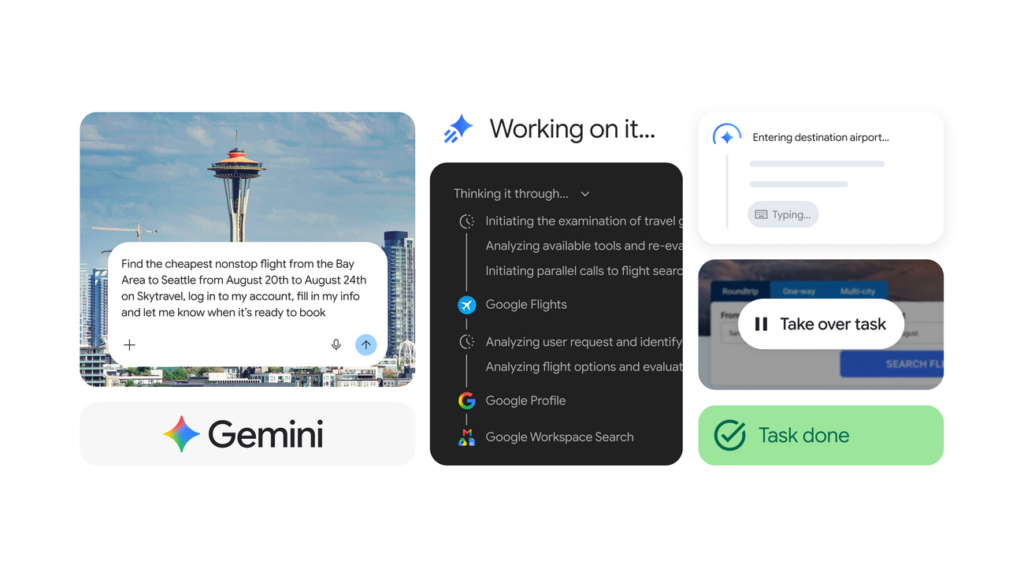
Google is bringing Gemini Spark, its 24/7 personal AI agent, to Canada for eligible Google AI Pro and Ultra subscribers. The experimental tool is designed to complete multi-step tasks across a user’s digital life under their direction, moving Gemini beyond chat toward proactive, agentic assistance.
Spark can work through the Gemini web app, mobile app, and macOS app, helping with planning, research, organization, and follow-through while connected to Google’s broader product ecosystem. The Canadian rollout follows Google I/O, where the company framed Spark as part of Gemini’s next evolution from conversational assistant to always-available digital collaborator for everyday productivity tool.
Want to know more? Check out the source code here.
Wealthsimple Posts Biggest Quarter

Wealthsimple reported $17 billion in net flows in the second quarter, its largest quarter ever, as assets under administration nearly doubled year over year. The Toronto fintech says growth was driven by demand for chequing and spending products, not only investing.
The update follows a product push into household finance, business chequing, kids and teens accounts, authorized trading, spending insights, and monthly rewards. Wealthsimple ended the first quarter with $124.8 billion in assets and 3.4 million clients, including one in five Canadians aged 18 to 40 using at least one product, according to the company nationally.
Want to know more? Check out the source code here.
KPMG Canada Deepens OpenAI Push

KPMG Canada has formed a strategic alliance with OpenAI to help Canadian organizations move from AI pilots to enterprise-wide deployment. The firm has been named an OpenAI Elite Partner, the highest tier in OpenAI’s Partner Network, and will combine OpenAI technology with KPMG’s transformation, governance, and risk management expertise.
KPMG says it has already enabled more than 3,000 Canadian employees with ChatGPT Enterprise and is using Codex in Deal Advisory to review transaction documents and financial data faster. The alliance also includes cybersecurity work through OpenAI’s Daybreak Cyber Partner Program, targeting secure, responsible AI adoption across public and private sectors.
Want to know more? Check out the source code here.
Terminal Raises $20M to Connect Truck Data

Toronto startup Terminal has raised a Series A round led by Battery Ventures, with participation from existing backers Y Combinator and Wayfinder Ventures, plus Intact’s private capital arm and truck dealer Penske.
The 17-person company unifies data from trucks, including dashcam footage, GPS coordinates, dashboard warnings, and 325 connected data sources, so insurers, financial firms, and service providers can use it more easily. Terminal says the funding will help meet partner demand. CEO Raghav Midha plans to double headcount this year. The company is betting commercial vehicle data can support fraud prevention, insurance pricing, and more efficient fleet services nationwide.
Want to know more? Check out the source code here.
New York Fintech Ramp Opens Canadian Finance Hub

New York fintech Ramp has launched its finance platform in Canada and is opening a downtown Toronto office to support local customers. The Canadian offering combines corporate cards, payments, expense management, tax automation, approvals, reimbursements, bill payments, and accounting workflows.
Businesses can issue Canadian-dollar physical and virtual cards alongside U.S.-dollar virtual cards, while Ramp’s software captures GST, HST, PST, and QST information from receipts. The company says more than 70,000 organizations use its platform, powering over $200 billion in purchases annually. Canadian Ramp cards are issued by Peoples Trust Company, and Quebec and Saskatchewan businesses are not yet eligible today.
Want to know more? Check out the source code here.
Liquid Interactive Lets Anyone Make Visual-First Interactive Experiences With AI
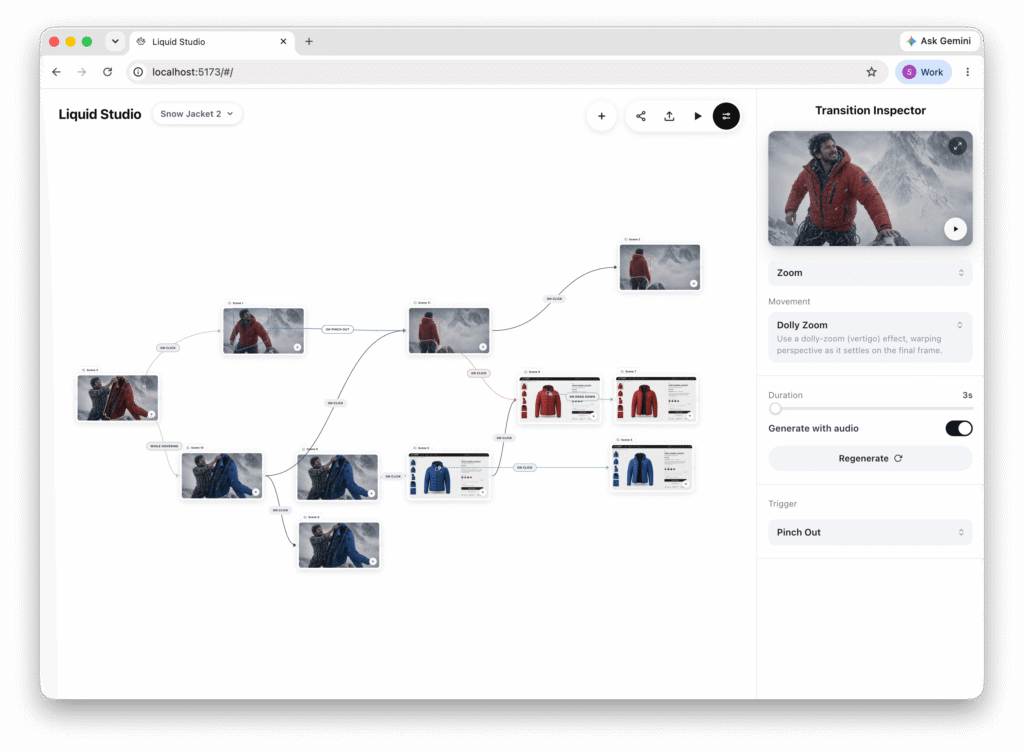
Liquid Interactive has launched from Canadian AI venture studio AXL with $700,000 CAD in pre-seed funding and a bet that AI’s next interface will be interactive, not text-based. Co-founded by Sasha Ivanov and Ben Pearman, the company began inside AXL after the pair built Maple Scan, an iOS app with 130,000 downloads.
Its first product, Liquid Photos, turns iPhone camera rolls into visual experiences users can swipe through, pull apart, question, share online, or export as video. Early demos have topped one million views, while Liquid Studio will bring the technology to brands, agencies, and creative teams.
Want to know more? Check out the source code here.
TravelAI Revives Sonder Brand

Vancouver-based TravelAI has acquired the Sonder brand and relaunched Sonder.com as a curated guide to design-led urban accommodations. Through parent UpNext Ventures, TravelAI bought the Sonder word mark, more than 50 global trademark registrations, and over 70 domain names through the court-supervised bankruptcy of Sonder Canada and Hospitalité Sonder Canada.
The deal excludes Sonder’s former operating business, properties, leases, inventory, and employees. Instead, Sonder.com now features homes, boutique hotels, and urban stays from partners including Booking.com, Expedia, and Vrbo. TravelAI says the brand will pair with its AI personalization technology and network of 530-plus travel brands worldwide at global scale.
Want to know more? Check out the source code here.